FFDS

RUMINATE’s network
for co-creation, demonstration
and knowledge exchange

RUMINATE has established six Future Farming Design Studios (FFDSs) as hybrid collaborative living labs for co-creation, demonstration and knowledge exchange in climate-resilient livestock farming.

Located in six countries and representing different farming systems and environmental conditions, the FFDSs will bring together farmers, breeders, advisors, researchers, industry actors, policymakers and regional authorities. Through a farmer-centric, multi-actor approach, stakeholders work together to co-develop, test and refine RUMINATE’s genetic, nutritional and management strategies under real-world farming conditions.

Working within a co-developed methodological framework and guided by a common foundation, the FFDSs connect research with farming practice and facilitate knowledge exchange within and across the network.

WHAT HAPPENS IN THE FFDSs?

MAP & UNDERSTAND

Map existing livestock management practices, establish environmental, socio-economic, animal health and productivity baselines, and identify local needs, knowledge gaps, and opportunities for innovation.

1

CO-CREATE

Bring farmers, breeders, advisors, researchers, and other stakeholders together to exchange knowledge and co-develop climate-smart solutions and strategies.

2

TEST & DEMONSTRATE

Test RUMINATE’s developed solutions, along with management practices, under real-world farming conditions through demonstration activities across the six FFDSs.

3

VALIDATE & REFINE

Use evidence and stakeholder feedback to refine and adapt the tested solutions and strategies.

4

EXCHANGE KNOWLEDGE

Share knowledge and experience through interactive workshops, field and cross-visits, demonstration activities, and feedback sessions within and across the FFDS network.

5

Two Challenges, Six FFDSs

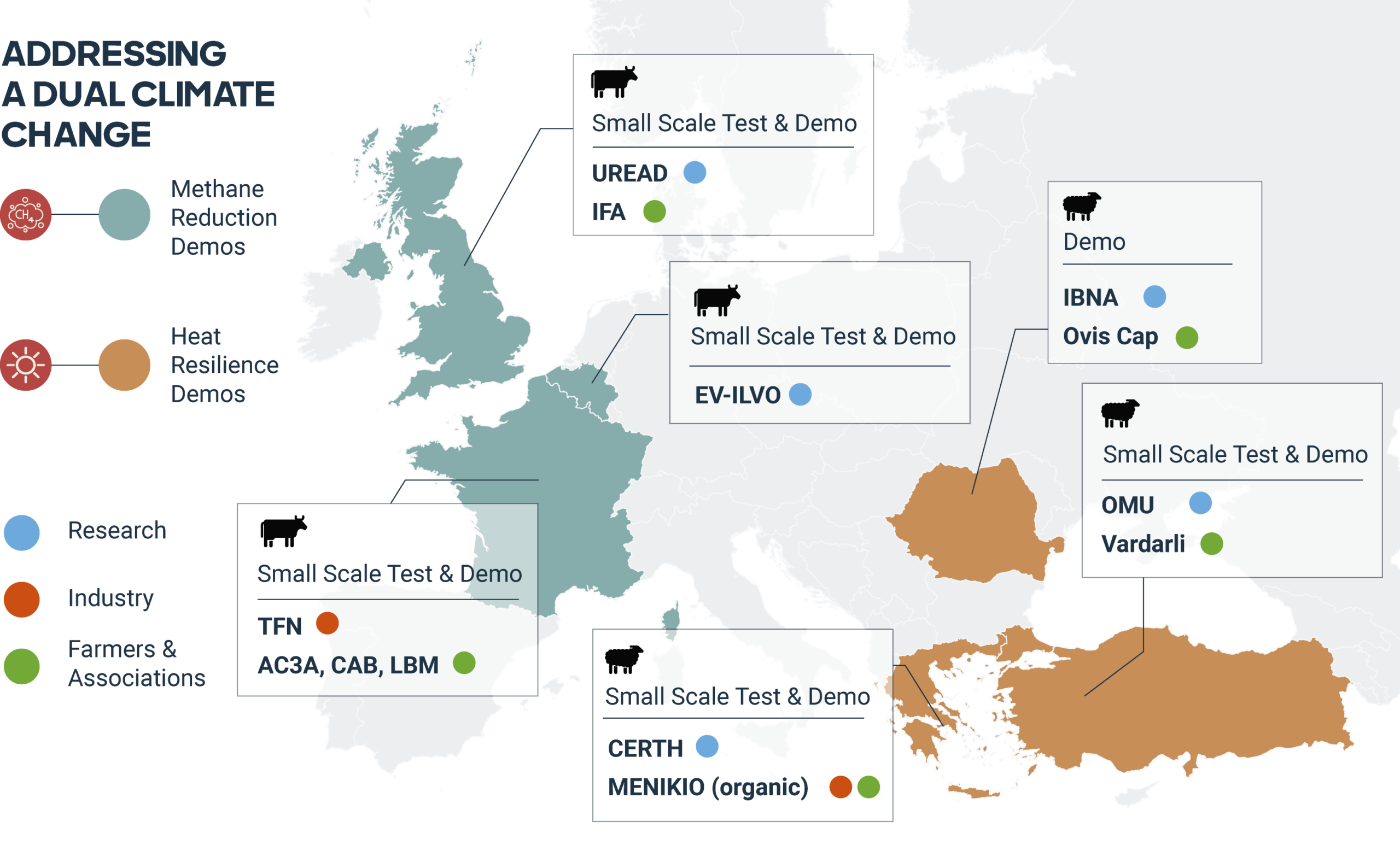
The six FFDSs address RUMINATE’s two core climate challenges: reducing methane emissions in dairy cattle in Belgium, the United Kingdom, and France and enhancing heat-stress resilience in dairy sheep in Greece, Türkiye, and Romania.

Methane Emissions Mitigation
Dairy Cattle

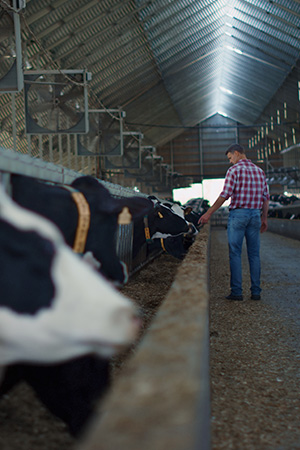
The three FFDSs evaluate the combined use of genetic screening, nutritional protocols, and the RUMINATE Decision Support Tool (DST) for reducing methane emissions in dairy cattle. Each demonstration involves approximately 70–100 Holstein cows.

Animals are genotyped using the sequencing panel developed by RUMINATE and classified into high- and low-methane emission groups. Based on these profiles, selected nutritional protocols are applied, with diet allocations provided by the DST.

Throughout the demonstrations, digital and AI-based tools monitor milk yield, milk composition, and feed efficiency. Methane emissions are measured before and throughout the interventions. Where possible, the interaction between nutritional strategies and genetic background are investigated to assess possible additive effects.

Each FFDS also organises farmer demonstration days and participatory feedback sessions, focusing on the adoption potential, cost-effectiveness, and environmental impact of the tested measures, as well as farm-specific constraints. Cross-visits between the FFDSs foster mutual learning and knowledge exchange.

Explore the FFDSs

Heat-Stress Resilience

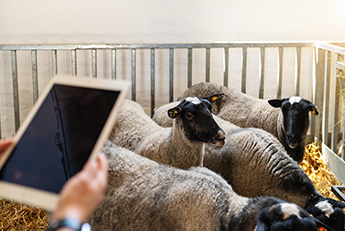
The three FFDSs evaluate the combined use of genetic screening, nutritional protocols, management practices, and the RUMINATE Decision Support Tool (DST) for enhancing heat-stress resilience in dairy sheep across different farming systems. Each demonstration will involve approximately 200 animals.

Animals will be genotyped using the sequencing panel developed by RUMINATE and classified into heat stress-susceptible and heat stress-resilient groups. Based on these profiles, nutritional protocols and management interventions recommended by the DST are tested.

Throughout the demonstrations, digital monitoring systems track milk yield and composition, animal welfare indicators — including respiration and pulse rate, body temperature, feed and water intake — and environmental conditions such as ambient temperature and relative humidity. Practical management measures, including housing adjustments and shading, are also considered alongside the genetic and nutritional strategies.

The interventions are assessed in terms of milk production, feed efficiency, animal welfare, and behavioural traits. Where feasible, the potential added value of genetic and nutritional solutions, together with management practices, is also explored.

Each FFDS also organises farmer demonstration days and participatory feedback sessions, focusing on the adoption potential, cost-effectiveness, and environmental impact of the tested measures, as well as farm-specific constraints. Cross-visits between the FFDSs foster mutual learning and knowledge exchange.
Explore the FFDSs

Send us a message

Fill out the form below, and we will be in touch shortly.